Śavāsana is the traditional yoga pose for a practice of yoga nidrā. Śavāsana holds many benefits, not the least being that many aspects of it are conducive to deep healing rest. For those for whom a regular Śavāsana is not accessible, individualising it can often make all the difference to its comfort and accessibility, while maintaining its benefits. And there are other positions that can work equally well. Below are some examples of alternative or individualised Śavāsanas and similar positions for yoga nidrā. In positioning the body for yoga nidrā, the aim is that comfort and ease be effortless.
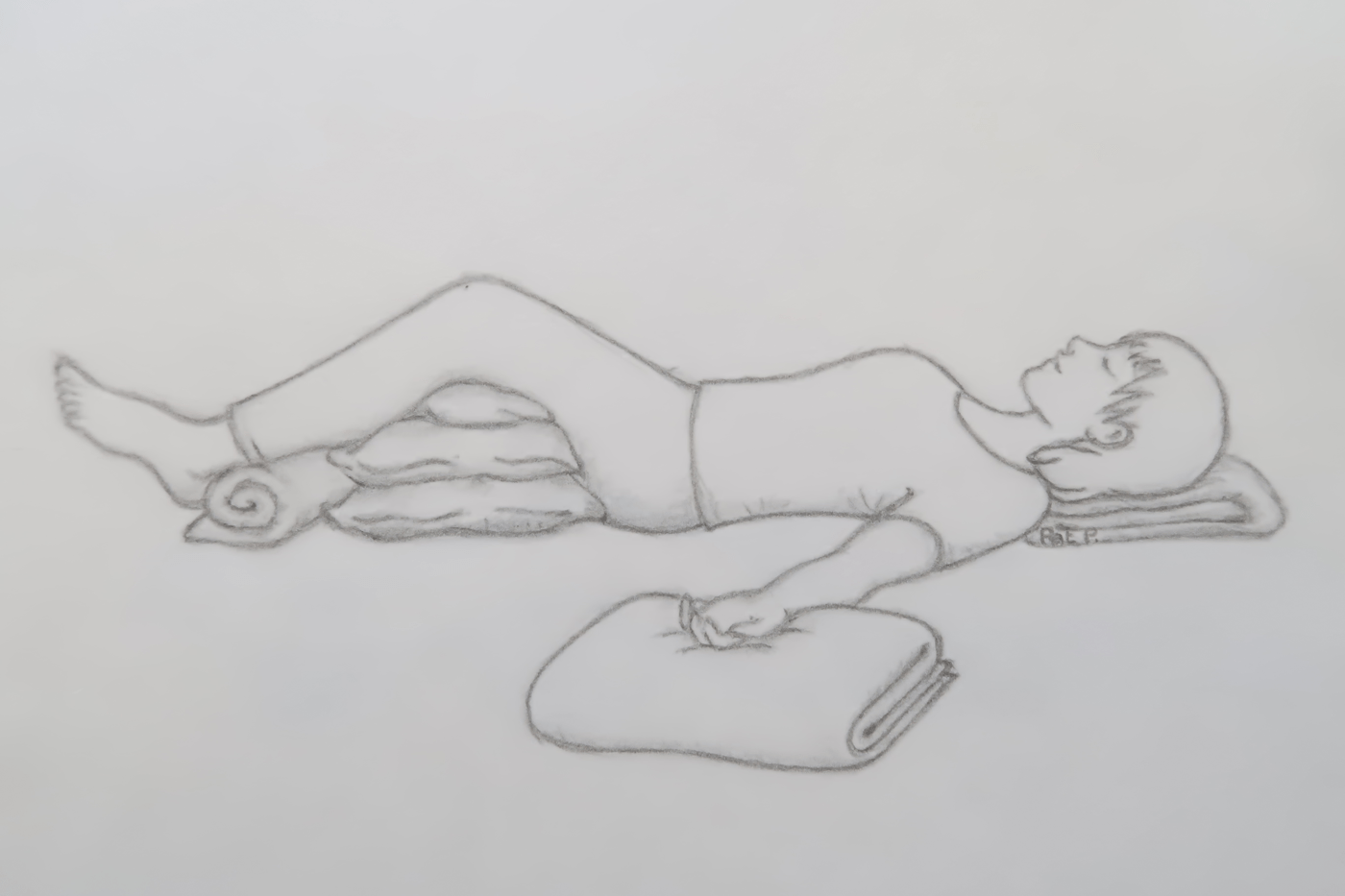
Supported Śavāsana
For many people with back discomfort, simply placing support under the knees and ankles, raising the hands and placing support under the head, neck and upper shoulders can make an enormous difference and enable comfort while lying on one’s back. Additionally, thick soft blankets, a quilt, shiatsu mat, sheepskin rug, or similar under the whole body will further increase comfort to this position.
This position is not suitable for pregnancy from the second trimester
You will need:
- A pillow, cushion or folded blanket for under your head
- Cushions, folded blankets, a bolster or similar for under your knees
- A rolled towel or blanket under your ankles (at ½ knee support height)
- A blanket to cover your body.
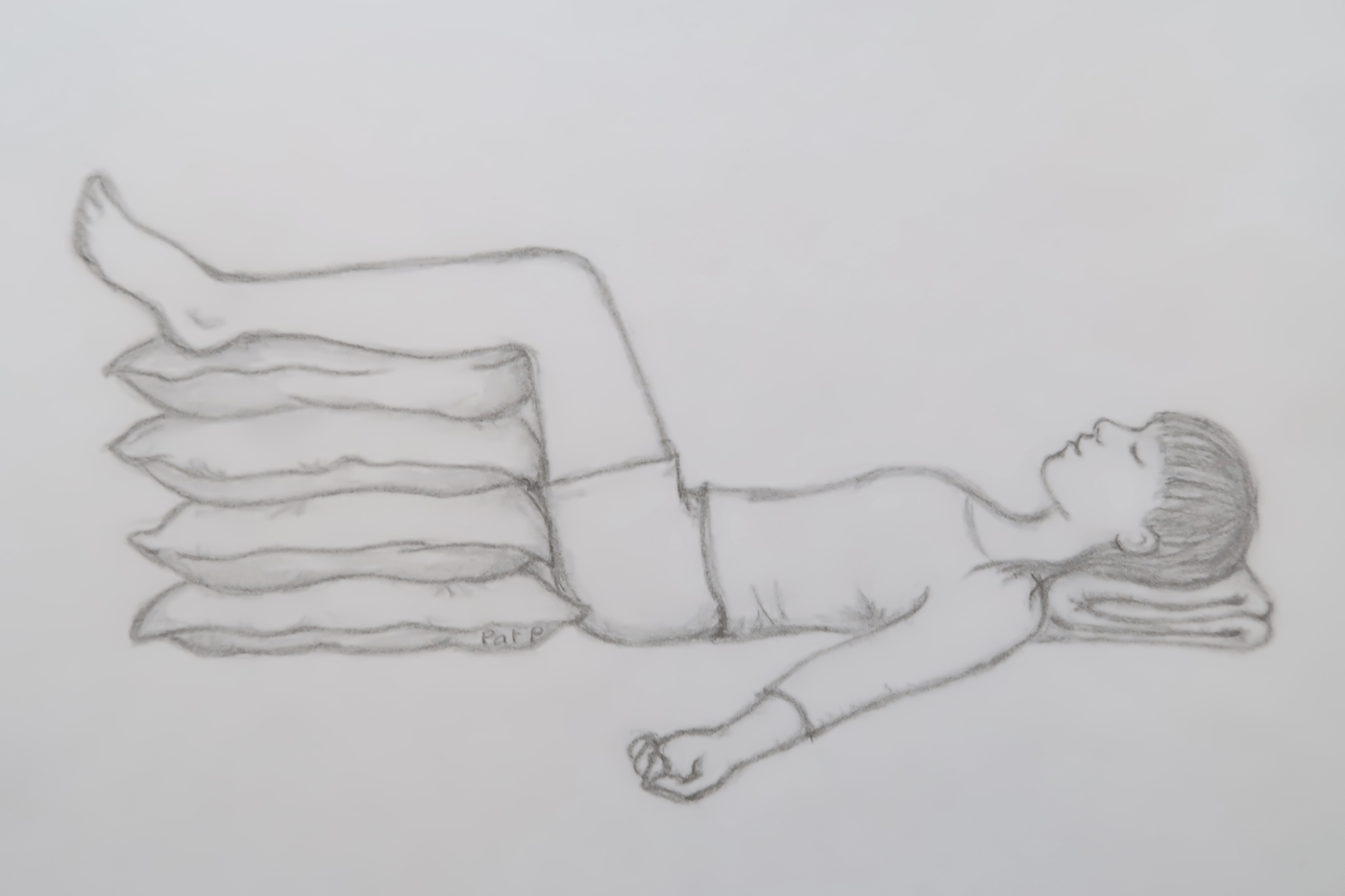
Śavāsana with thighs perpendicular to the floor
This position is very calming for the mind and body and easily brings about feelings of relaxation and sleepiness. You may recall lying in this position as a child, and how delicious it felt! It’s great for relaxing the lower back as it reduces pressure in this area and provides valuable support. It also helps to reduce muscle fatigue in the legs and to reduce swelling and discomfort around the ankles and feet.
This position is not suitable for pregnancy from the second trimester
You will need:
- A pillow, cushion or folded blanket for under your head
- A stack of cushions, folded blankets, or a low bed, couch or a chair (with a soft seat or folded blanket on the seat) for under your calves
- A blanket to cover your body
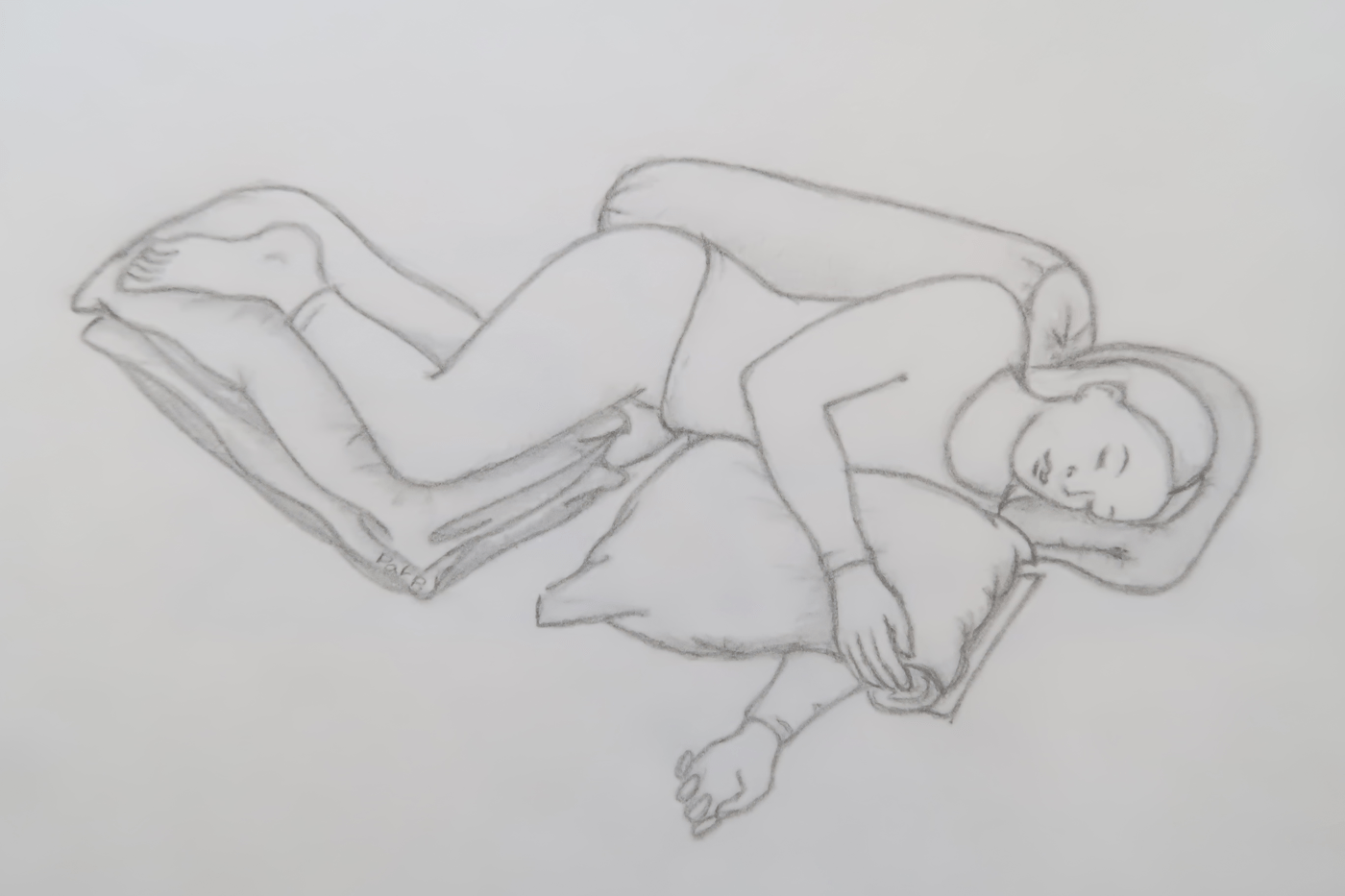
Side-lying pose
This position can be especially calming when we are feeling wired, anxious, overwhelmed or exhausted. The pillow or cushion in front of the torso and the drawing up of the knees induces a sense of safety and protection and, mirroring a position that many of us sleep in, this association and its familiarity can be very nurturing.
Covering the body from the back, and bringing the blanket or cover right over the head, leaving only an opening for the mouth and nose, can be particularly snug and cosy and very soothing. And, adopting this position with a wall against one’s back can be especially supportive for PTSD.
Support between the knees is important for keeping the spine, hips and pelvis in alignment. And thick blankets, a quilt, shiatsu mat, sheepskin rug or similar under the body will ease any pressure on the downward facing hip and shoulder. For optimal comfort and alignment of the head, neck and spine, the height of support under the head needs to be commensurate with the distance from the lower side of the neck to the outer edge of the nearby shoulder.
Lying in this position – on the left side – is recommended for pregnancy from the second trimester onward. Lying on the left side is also recommended for digestive issues and the right side for cardiac conditions.
You will need:
- A pillow, cushion or folded blanket for under your head
- A pillow, cushion or folded blanket for under your upper arm
- A rolled towel, stack of books, yoga block or similar to raise your upper arm and support from your lower arm
- A pillow, cushion or folded blanket for under upper leg
- A bolster, furniture or wall for support at the back of your body
- A blanket to cover your body
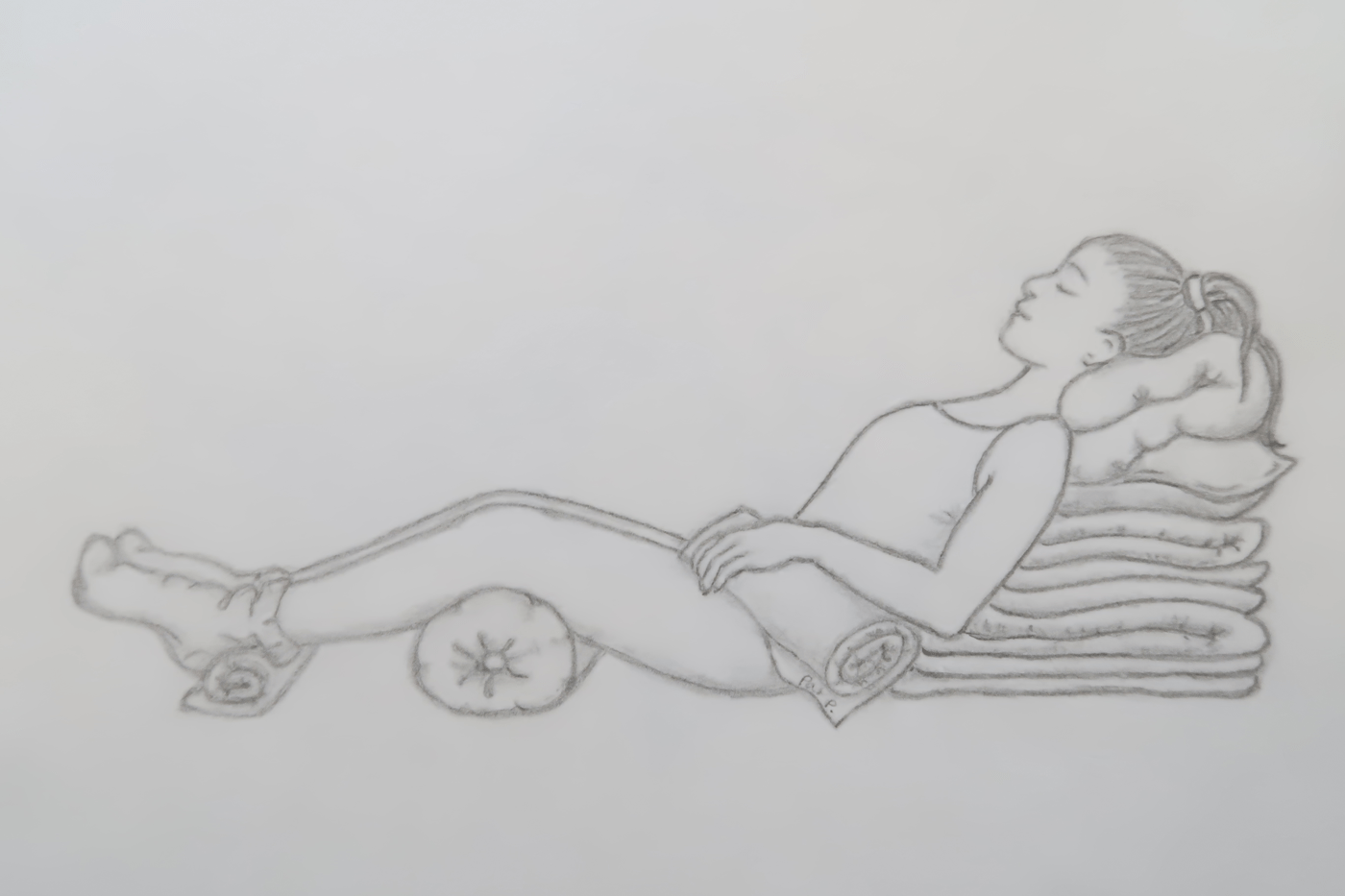
Śavāsana with raised upper body
This position relaxes the belly and opens the whole of the chest, both of which invite relaxation. It is also supportive for those with cardiac conditions, or with lung or breathing conditions where lying flat on the back induces coughing. It can also provide ease for digestion. And for some of us, being in a more upright position simply feels more comfortable.
In this position, it’s important that the whole lower back is firmly supported, that the upper back support is such that the chest does not sag inward – and that the neck and head are fully supported. ?And that hands are resting higher than elbows.
This position is suitable for pregnancy.
You will need:
- A stack of folded blankets or large cushions to support your torso and head
- A rolled towel or similar for under your forearms and hands
- Cushions, folded blankets, a bolster or similar for under your knees
- A rolled towel or similar for under your ankles (at ½ knee support height)
- A blanket to cover your body
Seated Yoga Nidra
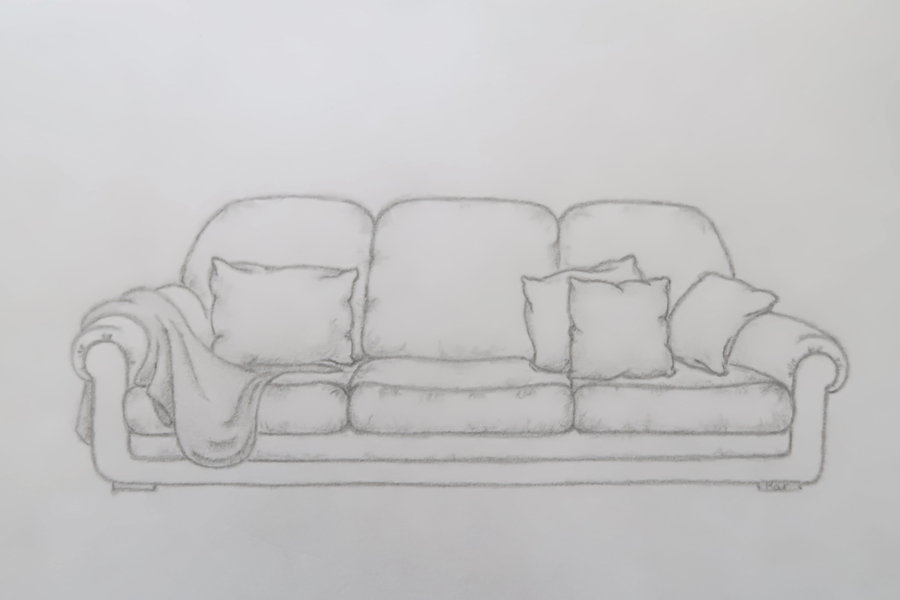
Yoga nidra can also be practiced in a seated position. This can be ideal if you cannot easily get down onto, or up from, the floor. And it’s also great for when no floor space or supportive props for Śavāsana are available! Feet can be be rested on the floor or raised, and cushioning behind the head will ideally support your head to avoid uncomfortable head movement as your neck muscles relax. (Instructions for setting up a delicious head support will be the subject of a future post!)
This position is suitable for pregnancy.

I’ve worked with people who, due to injuries and pain, have not been able to lie still for longer than ten minutes at a time, including throughout the night. And in an individualised Śavāsana they have been able to experience profoundly deep rest, lying motionless for over 45 minutes. This is the power of yoga nidrā and of individualising Śavāsana for personal needs. If I can support you in creating an individualised position for your practice of yoga nidrā, or if you have any questions, please feel free to reach out.